

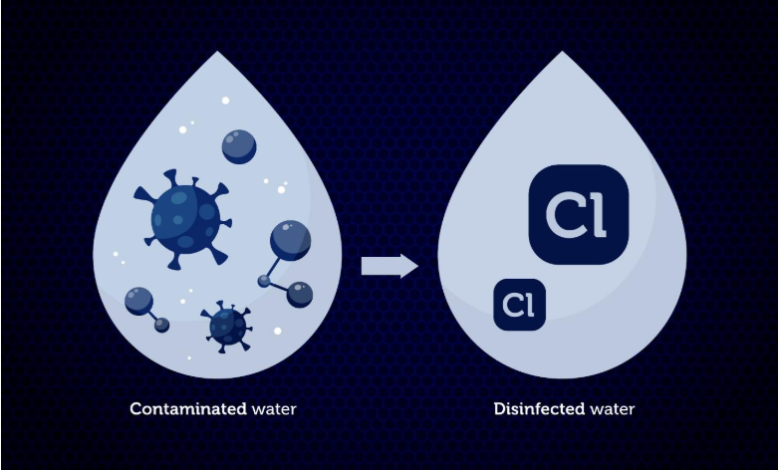
Chlorine dioxide is a highly reactive gas. It is used globally for an array of purposes, including industrial bleaching, surface sterilization, and water purification. It also acts as a powerful molecular-level oxidizing agent, destroying viruses and fungi.
In today’s article, we’ll talk about how and where it is used. We’ll also explain some of its benefits and when it becomes risky for our health. Let’s get started.
Where Is Chlorine Dioxide Used?
This chemical is a disinfectant. It is added in small amounts to toothpaste and mouthwash products to treat an array of conditions, such as bad breath. It is also used in skin care products to cleanse the skin pores.
It is also added in small, regulated quantities to disinfect drinking water. Similarly, certain rooms and surgical tools are sterilized using chlorine dioxide gas. It is also approved by regulatory bodies for washing vegetables, fruits, poultry, and different types of meat.
Benefits of Chlorine Dioxide Products
Chlorine dioxide products deliver a range of industrial, environmental, and personal benefits. Unlike other chemical alternatives, the compound can destroy the sticky biomass inside the water pipes and tanks. In terms of safety, it leaves no toxic chemical residue on foods or the surface where you’re applying it.
The compound is temperature-independent, meaning it dissolves easily and maintains maximum efficacy even at very cold water temperatures. The compound is also gentler on industrial hardware as it doesn’t hydrolyze to form heavy acids.
Lastly, the compound is also used as a bleaching agent in industries for wood pulp or paper.
Mechanism of Action
This chemical acts as a powerful oxidizing agent. It steals electrons from the microbes’ components and rapidly breaks down cell walls. It also alters membrane proteins and targets important amino acids. This results in inactive pathogens without ever creating harmful byproducts.
The chemical shows selective oxidation, meaning it reacts only with reduced sulfide and nitrogen-containing amino acids (rather than generic organic matter).
The traditional chlorine loses its effectiveness in alkaline conditions. But chlorine dioxide remains active and stable across a broad pH range. It also doesn’t create halogenated or disinfection byproducts.
Common Side Effects of Chlorine Dioxide
The compound is well-tolerated in very small amounts and is used in drinking water or toothpaste. Side effects usually occur when we start using it in large amounts. And they also vary depending on how you’re using the compound and how much dose you’re taking.
When you take it by mouth, you may feel a burning sensation in your mouth, stomach, or throat. You may also experience vomiting or nausea. When applied to the skin, itching or redness may occur in some cases.
You should immediately visit your health care provider if you see any of the above signs.
Bottom Lines
Understand that not all chlorine dioxide products taken by mouth are safe. Only a certified healthcare provider can recommend how much concentration is appropriate for your specific condition. This is how you actually protect your health and stay safe from side effects.