
Your thumb is responsible for approximately 50% of your hand’s overall function. Because it is the only digit that can move in opposition to the others, it allows you to perform everything from heavy lifting to threading a needle. However, this high mobility comes at a price.
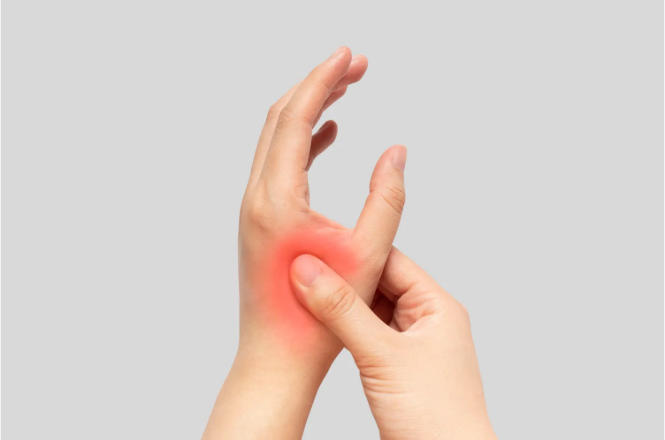
The thumb joint is under constant mechanical stress, making it prone to a wide array of injuries. As “A small leak will sink a great ship.” Similarly, a tiny bit of inflammation at the base of your thumb can eventually compromise your entire ability to work and play.
When discomfort strikes, understanding the spectrum of causes and the available solutions, ranging from a simple thumb support to a rigid Thumb Spica Splint, is the first step toward lasting relief.
The Spectrum of Thumb Pain: Small to Big Causes
Thumb pain rarely has a single “off switch.” It often starts as a whisper before becoming a shout.
Texting Thumb (Trigger Thumb): A modern ailment caused by repetitive scrolling and typing. This leads to the catching or locking of the thumb tendon.
De Quervain’s Tenosynovitis: Inflammation of the tendons on the wrist side of the thumb. This is common in parents and office workers who perform repetitive lifting or gripping.
Gamekeeper’s or Skier’s Thumb: A big injury involving a tear of the Ulnar Collateral Ligament (UCL). This is typically the result of a fall that causes the thumb to be pulled away from the palm.
Basal Joint Arthritis: Wear and tear of the cartilage at the base of the thumb (CMC joint). This is a degenerative cause that leads to chronic grinding and deep aching.
Scaphoid Fractures: This causes a serious injury to the small bone connecting the thumb to the wrist. This often requires long-term immobilization with a Thumb Spica Splint.
Quick Thumb Pain Relief: Steps to Take Immediately
When the pain is acute, you need immediate intervention to ease the pain.
- Neutral Thumb Position: Immediately stop all pinching and gripping motions. If hand use is necessary, maintain it in a relaxed, neutral position.
- Contrast Hydrotherapy: For chronic aches, alternate between warm water (to relax muscles) and cold water (to reduce swelling).
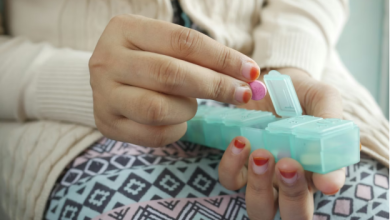
- Oral Pain Relievers: Over-the-counter anti-inflammatory medicines may help reduce pain and swelling (as advised by a doctor).
- Pain Relief Gel Massage: Gently massage the pain relief gel around the irritated thumb joint area to relieve pain and prevent further worsening.
- Rest and Activity Modification: Avoid making unwanted or repeated thumb movements. Give your injured thumb the proper rest essential for healing.
- Immediate Compression: Wearing a flexible thumb support provides instant “proprioceptive relief,” which makes the joint feel more secure and less vulnerable.
Non-Invasive Treatment Options and Therapies
After initial pain is controlled, long-term healing and structural support become a focus. “Patience is a plaster for all sores.” Tendons and ligaments take a long time to heal, and forcing this to happen can result in re-injury.
- Immobilization with a Thumb Spica Splint
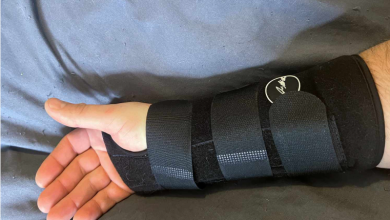
For moderate to severe cases, a standard thumb splint isn’t enough. You need a Thumb Spica Splint. This device features a rigid stay that extends from the thumb tip to the wrist, effectively “turning off” the joint. By preventing the thumb from moving, you allow the inflamed tendons to rest and the micro-tears in the ligaments to knit back together.
- Physical and Occupational Therapy
A therapist can provide “tendon gliding” exercises that prevent scarring while the thumb heals. They may also use ultrasound therapy to send deep heat into the joint, stimulating blood flow to areas that naturally have a poor blood supply.
- Kinesiology Taping
If you are transitioning out of a rigid Thumb Spica Splint, specialized tape can provide a dynamic thumb support. It offers stability without the bulk, making it ideal for the final stages of recovery.
Advanced Medical Options
If conservative treatment, such as a thumb splint, fails in 4-6 weeks, the doctor may recommend more direct treatment options:
Corticosteroid Injections: It is a strong anti-inflammatory that is injected directly into the tendon sheath or joint space for lasting relief. It is very effective but is limited to 2 or 3 per year because it may weaken the tendon.
Platelet-Rich Plasma (PRP): Using your own blood’s healing factors to jumpstart repair in chronic ligament tears.
Surgical Release: In cases of severe De Quervain’s or Trigger Thumb, a surgeon may make a small incision to release the tight tunnel through which the tendon passes.
Always consult a doctor before choosing any of these treatments.
Choosing the Right Thumb Support
Not all supports are created equal. Therefore, the type of support should vary depending on the level of activity.
For Office Work: A low-profile thumb splint with breathability is required so that you may type with a stable thumb base.
For Nighttime: A rigid Thumb Spica Splint is required so that the hand does not curl during sleep.
For Sports: A neoprene thumb support that retains heat and provides impact protection.
Putting It Simply
Thumb pain, while sometimes a minor annoyance or a major hindrance, is rarely something you have to live with for the rest of your life. From the instant relief of icing and compression to the structural healing provided by a Thumb Spica Splint, there is a clear path back to functionality.
By identifying the cause early and utilizing the right thumb support, you protect your hand’s most important asset. Never wait and watch pain turn into a lifetime trouble. Therefore, try to fix it today by adding the reliable Thumb Spica Splint into your routines for quick recovery. Sooner, you’ll find that your grip on life becomes stronger than ever.