

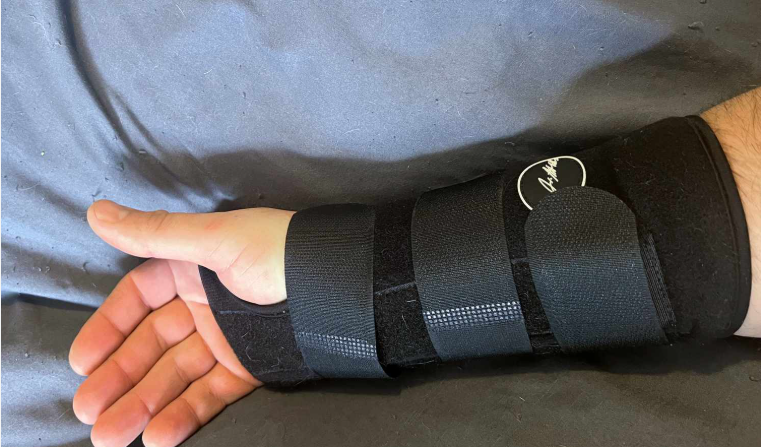
If you’ve ever gone to bed with a sore wrist and woken up feeling worse, you’re not the only one. Wrist pain can sneak up on you at night, especially after a long day of typing, scrolling, lifting, or doing the same thing over and over. The good news is? Night wrist braces can significantly aid in healing and reduce the pain.
Let’s talk about how they work, why they help, and how to pick the right one. If you’re thinking about getting a thumb wrist brace or general wrist support, this blog will help you.
Why Is Wrist Pain More Intense at Night
At night, aches seem to be more severe. You don’t have control over your wrist position when you sleep. You might find yourself tucking it under your head, hugging it to your chest, or keeping it in a bent position for ages, oblivious to the strain. Poor posture can lead to nerve pain, tendon problems, and increased inflammation.
Nighttime often magnifies the discomfort of carpal tunnel syndrome, tendonitis, arthritis, and even minor sprains.
That’s when a wrist brace made for sleeping comes in handy.
How Night Wrist Braces Work
The purpose of a night wrist brace is to keep your wrist in a neutral position while you sleep. That neutral position takes pressure off the nerves and stops bending that isn’t needed.
While you rest, beneficial wrist support does this:
- Keeps your wrist straight and steady
- Lessens stress on ligaments and tendons
- Reduces pressure on nerves
- Gives inflamed tissue time to calm down
- Stops you from accidentally twisting while you sleep
Think of it as a short vacation for your wrist while the rest of you gets some rest.
What Should a Good Night Wrist Brace Have?
Not all braces are the same, especially when it comes to comfort at night. Comfort is just as important as stability since you’ll be wearing it for 6 to 8 hours.
Here’s what you should look for:
1. Support that is firm but comfortable
A night brace should have a splint built in (usually made of metal or hard plastic) that keeps your wrist straight. At the same time, it shouldn’t be too tight or cut off blood flow.
2. Materials that let air through
It’s not fun to have sweaty wrists. Find fabric that is soft and breathable so that air can flow through it and it doesn’t irritate you.
3. Straps that can be changed
You can change the fit with the Velcro straps. Your brace should fit well but not be too tight.
4. Stabilization of the thumb (if needed)
If your pain goes into your thumb, which is common with tendonitis or repetitive strain injuries, a thumb wrist brace might be a better choice. This kind of brace keeps the wrist and thumb joint stable, which limits movement that can make pain worse.
When to Use a Brace for Your Thumb and Wrist
If you have any of the following, a thumb wrist brace can help:
- Feel pain at the bottom of your thumb
- Find it hard to hold things
- Diagnosed with De Quervain’s tendonitis
- Feel arthritis in the joint of your thumb
This brace keeps both areas stable, which cuts down on movement that causes inflammation. For some people, having that extra support for their thumb makes a big difference in how comfortable they are at night.
Who Can Use Night Wrist Support?
You don’t have to be an athlete or recovering from surgery to wear a wrist brace. Things you do daily can wear you down.
Wrist support at night is helpful for:
- People who work in offices and type the whole day
- People who play games
- Hairstylists or car mechanics
- People who like to work out
- New parents are picking up their babies a lot
- Anyone who has to deal with repetitive strain
Wearing a brace at night could help a lot with tingling fingers, numbness, stiffness, or dull aching pain that you wake up with.
How long should you keep it on?
Most people start by wearing wrist support every night for a few weeks. You might only need to wear it during flare-ups if your symptoms get better.
Being consistent is important. Your wrist won’t have enough time to heal if you wear it every once in a while. Think of it as something you do every night, like brushing your teeth.
If you keep having pain even after using it regularly, it’s always a good idea to see a doctor to make sure there aren’t any more serious problems.
How to Get Used to Sleeping with a Brace
Let’s be honest: the first night can be a little weird. Here are some easy tips to get you started:
- Don’t make it too tight.
- Put it on for a short time before bed to get used to it.
- Put a pillow below your arm to support it.
- Pick the right size.
Most people don’t even notice it after a few nights.
Final Thoughts
Wrist pain can be very annoying, especially when it keeps you from sleeping. But the right wrist support can help your body heal while you sleep. You can use nighttime bracing to help with pain, whether you need a simple hand band or a more structured one.
The most important thing is to pick a supportive brace, let air flow through it, and make sure it is comfortable enough to wear all the time. When your wrist stays in a healthy position all night, the swelling can go down, which means you will have better mornings.
If wrist pain has been keeping you up at night, it might be time to give your wrist the support it needs.